

How Each System Works
In a top-hammer system, the percussion unit sits at the top of the drill string, above ground. Impact energy travels down through the drill rods to the bit — and energy is lost to elastic deformation at every rod coupling. This limits effective penetration depth and borehole straightness in hard rock.
In a DTH (Down-The-Hole) system, the hammer is located directly behind the bit, inside the borehole. Air-powered percussion acts at the rock face with no energy loss through the rod string, enabling consistent penetration rates at depth.
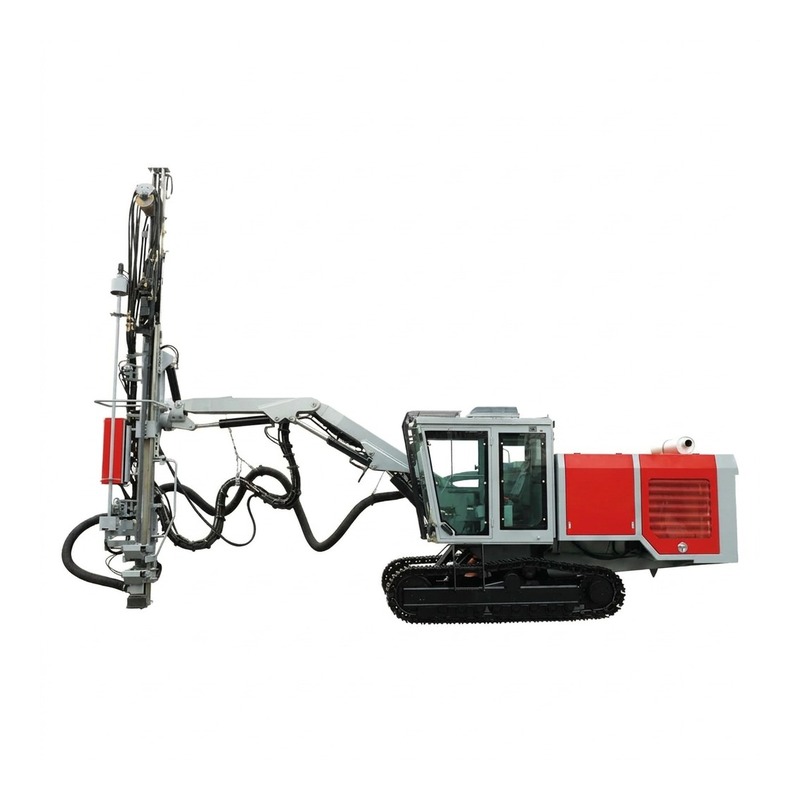
Figure 1 — Win Drill TH700 Hydraulic Top Hammer Rig, optimized for construction quarrying and shallow-depth surface mining applications.
Head-to-Head Comparison
| Parameter | Full Hydraulic DTH | Hydraulic Top-Hammer |
|---|---|---|
| Optimal Depth Range | 50 – 800+ m | 8 – 60 m |
| Hole Diameter Range | 100 – 400 mm | 64 – 127 mm |
| Best Formation | Hard to very hard rock (80–280 MPa UCS) | Medium to hard rock (60–180 MPa UCS) |
| Borehole Straightness | Excellent (<1% deviation at 300 m) | Good (deviation increases below 30 m) |
| Penetration Rate | High (consistent with depth) | Very high (shallow); drops with depth |
| Air Requirement | High (15–35 bar, 15–60 m³/min) | Low–Medium (6–12 bar, 6–20 m³/min) |
| Equipment Cost | Higher (compressor + rig) | Lower (integrated system) |
| Operating Cost/Meter | Lower for deep holes | Lower for shallow holes (<30 m) |
| Typical Applications | Water wells, geothermal, mining, anchoring | Quarry bench drilling, road cutting, construction |
When to Choose DTH
Select DTH when your project involves any of the following: target depth exceeds 50 m; formation UCS exceeds 120 MPa; borehole straightness is critical (geothermal loops, water well casing installation); or when cuttings removal at depth is a challenge with top-hammer systems.
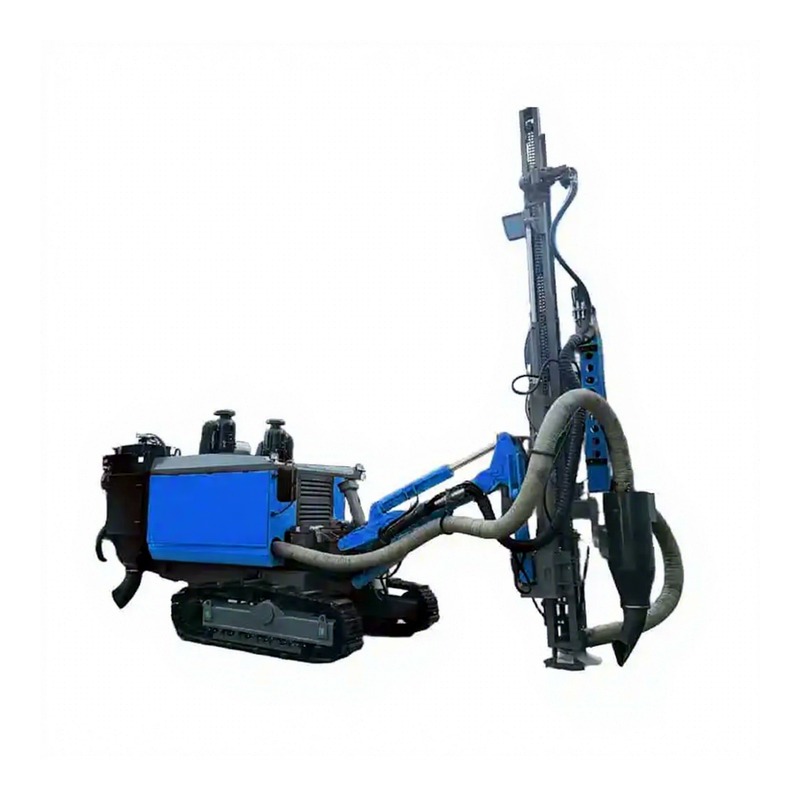
Figure 2 — Win Drill 847 Full Hydraulic DTH Rig in a deep water well drilling project. Note the elevated mast for 6 m rod handling.
When to Choose Top-Hammer
Top-hammer is the correct choice for bench blasting in open-pit quarries where depths are consistently under 30 m; road construction projects requiring rapid repositioning between holes; and applications where compressed air supply is unavailable or impractical on site.
"For our limestone quarry operation — 18 m bench height, 115 mm holes — top-hammer gives us 35% faster cycle time per hole compared to DTH, and the compressor cost savings alone paid for the rig in 14 months."
— Operations Director, Iberian Aggregate GroupHybrid Approach: Two-Rig Fleet Strategy
Large mining and quarry operations increasingly operate both types simultaneously: top-hammer rigs for primary bench drilling in production areas, DTH rigs for exploration and deep dewatering wells on the same site. This eliminates the compromise of forcing one technology into applications it was not designed for.
If your average hole depth fluctuates between 20 m and 80 m depending on the season (e.g., water table variations for dewatering wells), a mid-size full hydraulic DTH rig — such as the Win Drill 650 or 710 — offers the widest operating envelope and can handle both shallow and medium-depth assignments efficiently.
Compare Models Side by Side
Our technical team can prepare a project-specific comparison with penetration rate estimates and 3-year cost projections for your formation type.
Request a Free Comparison Report →